Looking for a way to beat the heat? Window AC units are a great choice for cooling down any room without breaking the bank. They’re easy to install, energy-efficient, and perfect for creating a comfy space during those hot summer days.
Window AC Units
Stay cool and comfortable with our reliable window AC units designed for easy installation and powerful cooling
Product List
How Window AC Units Work
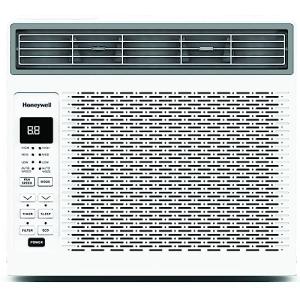
Window air conditioners operate on the same refrigeration cycle as every other air conditioning system — they just package the whole thing into one compact unit that sits in your window frame.
Warm air from your room is pulled in through the front of the unit, passed over a cold evaporator coil, and blown back into the room as cool air. Meanwhile, the heat that was absorbed from your room gets pushed out the back of the unit — outside your home — through a condenser coil and fan. The refrigerant circulating through the system is what makes this heat exchange possible.
That self-contained design is exactly what makes window units so practical. There's no ductwork, no professional installation in most cases, no landlord permissions required for permanent modifications (in many rental situations). You install it in a window, plug it into an outlet, and it works.
What BTU Rating Do You Actually Need?
BTU stands for British Thermal Unit, and it's the standard measurement used to describe the cooling power of an air conditioner. The higher the BTU, the more square footage the unit can effectively cool.
Getting this number right matters more than most people realize. Too small, and the unit will run constantly, struggle to bring the temperature down, and wear out faster. Too large, and it will cool the space too quickly without removing enough humidity — leaving you with a cold, clammy room that feels just as uncomfortable as a hot one.
Here's a general starting point for matching BTU to room size:
5,000–6,000 BTU — Ideal for rooms up to 250 square feet. Think small bedrooms, nurseries, or compact home offices.
8,000–10,000 BTU — Good for rooms between 300 and 450 square feet. This covers most standard bedrooms and mid-sized living spaces.
12,000–14,000 BTU — Suited for larger rooms between 500 and 700 square feet. Open-plan areas, master suites, or studio apartments often fall in this range.
18,000–25,000 BTU — For very large spaces or combined areas over 800 square feet. These heavy-duty units can handle great rooms, large apartments, or multi-area cooling.
Adjust upward if your space gets intense direct sunlight, if your ceilings are unusually high, or if the room is a kitchen (which generates additional heat). Adjust downward slightly for heavily shaded rooms.
Energy Efficiency: The Number That Saves You Money Every Month
Once you've matched the BTU to your room, the next most important spec on a window AC unit is its energy efficiency ratio — commonly shown as EER or CEER (combined energy efficiency ratio).
This number tells you how much cooling output you get for every watt of electricity consumed. A higher rating means lower operating costs. An older unit with an EER of 8 might cool your room just as well as a newer model with an EER of 12, but the newer model will cost you significantly less on your electricity bill over a summer season.
Look for the ENERGY STAR certification label when shopping. Units that carry this designation meet strict efficiency standards set by the U.S. Environmental Protection Agency and typically use 10% less energy than conventional models. Over the lifetime of the product, the savings on electricity often offset any premium you paid upfront.
Don't overlook the EER or CEER spec in the product details — it's one of the most reliable ways to compare two units with similar BTU ratings.
Key Features Worth Paying Attention To
Modern window AC units come loaded with features that weren't available even a few years ago. Some of them genuinely improve your experience. Others are nice to have but not essential. Here's a breakdown of what matters.
Programmable Timers and Scheduling
A built-in timer lets you set the unit to turn on before you get home, so you're walking into a cool space rather than waiting 20 minutes for it to catch up. You can also program it to shut off overnight after you've fallen asleep. This single feature can meaningfully reduce your energy consumption without any sacrifice in comfort.
Wi-Fi Connectivity and Smart Home Integration
A growing number of window AC units now connect to your home Wi-Fi network and work with apps on your phone. You can turn the unit on from the parking lot, adjust the temperature without getting off the couch, or check energy usage from anywhere. Many smart models also integrate with Amazon Alexa and Google Assistant, which means voice control is possible if that's part of your home setup.
Multiple Fan Speeds and Cooling Modes
Most units offer at least two or three fan speed settings. A lower fan speed is quieter and better for sleeping; a higher speed moves more air faster and is useful when the room is at peak heat. Look for units that also include a "fan only" mode (no cooling, just circulation), which is useful on milder days and helps reduce electricity use.
Sleep Mode
A dedicated sleep mode gradually raises the target temperature by a degree or two over an hour or two as you sleep, mimicking the natural drop in your body's preferred ambient temperature during rest. It's a small thing, but it does make a difference in sleep quality — and it saves energy overnight.
Dehumidifier Function
Air conditioners inherently remove moisture from the air as part of the cooling process. Some models make this a dedicated function, letting you run the unit in dehumidify mode without significant cooling. This is particularly useful in coastal or humid climates where the discomfort comes more from humidity than temperature.
Remote Control
A standard remote control is a basic convenience feature, but it's worth checking that it's included. Some budget models sell the remote as a separate purchase. If you're mounting the unit high on a wall-style window or in a location that's not easy to reach, a remote becomes more than a convenience — it's a practical necessity.
Installation: What to Expect
One of the biggest advantages of window air conditioners is that most homeowners can install them without professional help. That said, it's worth understanding what the process involves before you buy.
Most standard window units are designed to fit double-hung windows — the kind where the bottom sash slides up. The unit sits in the window opening, accordion-style side panels fill the gaps on either side, and a bracket or built-in mounting hardware secures it in place. The process typically takes 30 to 60 minutes with basic tools.
Check the dimensions of your window opening carefully before purchasing. Each product listing will specify the minimum and maximum window width the unit supports. Also pay attention to the unit's weight — larger, high-BTU models can be quite heavy, and a second person makes installation much safer and easier.
For casement windows (the kind that crank open sideways) or sliding windows, you'll need to look specifically for units designed for those configurations, as standard models won't fit.
Also consider the electrical requirements. Most window AC units under 15,000 BTU run on standard 115V household outlets. Larger units — typically 18,000 BTU and above — often require a 230V outlet, which may not be standard in all rooms. Always check the voltage requirements before purchasing.
Noise Levels: What to Expect in Real Life
Air conditioners make noise. That's unavoidable. But the range between a quiet modern unit and a rattling old one is significant, and it matters a lot if you're cooling a bedroom or a space where you need to concentrate.
Noise levels for window AC units are typically measured in decibels (dB). Units running in the 40–50 dB range are generally described as quiet — comparable to a library or soft background music. Units above 55 dB start to become noticeable and can interrupt sleep or conversation.
Look for the noise specification in the product details, and pay attention to whether it refers to the lowest fan speed setting or the highest. Many manufacturers advertise the quiet setting; the unit may be considerably louder at full power.
If quiet operation is a priority, it's worth reading actual user reviews for real-world accounts of how the unit sounds in practice.
Maintenance: Keeping Your Unit Running Well
A well-maintained window AC unit can last 10 years or more. Neglected units lose efficiency, develop odors, and fail prematurely. Fortunately, basic maintenance is simple.
Clean or replace the filter regularly. Most window units have a washable filter that slides out from the front. In peak summer months, check it every two to four weeks. A clogged filter forces the unit to work harder, reduces airflow, and raises your electricity bill. Rinse it under running water, let it dry fully, and slide it back in.
Keep the coils clean. The evaporator coils on the inside and the condenser coils on the outside can collect dust and debris over time. A gentle cleaning with a soft brush or coil cleaner once per season helps maintain efficiency.
Store it properly in the off-season. If you remove the unit for winter, store it upright in a clean, dry location. Cover it to keep dust out. If you leave it in the window year-round, use a cover designed for window AC units to protect it from winter weather and prevent drafts.
Choosing the Right Window AC Unit for Your Home
The market for window air conditioners is broad, with options ranging from basic, no-frills models to feature-rich smart units with app control and advanced scheduling. Prices typically run from around $150 for small entry-level units to $700 or more for large, energy-efficient smart models.
When comparing options, use this checklist:
- Match BTU to your room size — not too small, not too large
- Check the EER or CEER rating — higher is more efficient and cheaper to run
- Look for ENERGY STAR certification — it signals real efficiency standards
- Confirm window compatibility — measure your window opening before buying
- Verify electrical requirements — especially for larger units
- Evaluate the noise rating — critical for bedrooms and offices
- Consider smart features — Wi-Fi control and scheduling add genuine convenience
A window AC unit is one of the more straightforward home comfort purchases you can make. Unlike major appliances, there's no installation crew to schedule, no contractor to hire, and no multi-week lead time. You order it, it arrives, you install it, and your room is cool by evening.
Find the right BTU for your space, pay attention to efficiency, and choose the features that fit how you actually live — and you'll stay comfortable all summer long.