Looking for a way to keep your home comfortable while saving on energy bills? Solar HVAC systems use the sun’s energy to power your heating and cooling, making them an eco-friendly choice. They’re efficient, cost-effective, and help reduce your carbon footprint—all while keeping your indoor spaces just the way you like them.
Solar HVAC Systems
Upgrade your home's comfort and energy efficiency with cutting-edge solar HVAC systems
Product List
What Is a Solar HVAC System?
A solar HVAC system uses energy captured from the sun — either through solar thermal collectors or photovoltaic (PV) panels — to power or assist your home's heating, ventilation, and air conditioning. Depending on the specific setup, the solar component might handle all of the energy load, offset a significant portion of it, or work alongside your existing grid connection as a hybrid system.
The core idea is simple: instead of pulling 100% of the electricity or heat energy needed to run your HVAC from the utility grid, you're generating some or all of it from sunlight hitting your roof or property. That shift, even when partial, can translate into meaningful savings and a meaningfully cleaner energy profile.
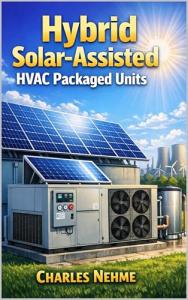
There are a few main types you'll encounter when shopping in this category. Solar photovoltaic systems pair standard solar panels with an electric heat pump or central air system. Solar thermal systems use heat collectors to directly warm water or air for radiant heating and hot water. Solar-assisted hybrid systems combine both approaches, using thermal gain for heating and PV generation to power cooling equipment. And solar mini-split systems — increasingly popular in the U.S. — pair ductless heat pumps with dedicated solar arrays for zoned, efficient comfort in specific rooms or additions.
Why American Homeowners Are Making the Switch
Utility costs in the United States have climbed steadily over the past decade, and HVAC systems are typically the single largest energy draw in any home — often accounting for 40 to 50 percent of a household's total electricity use. That's a big number, and it's the main reason solar HVAC systems have caught so much attention from homeowners looking to get ahead of rising costs.
When you pair your climate control system with solar generation, you're reducing the amount of energy you purchase from the grid during the hours your panels are producing. In sunnier states like Arizona, Texas, California, Florida, and the Southwest generally, that can mean running your air conditioning for much of the summer almost entirely on solar power generated right at your home.
But it's not just Sun Belt homeowners who benefit. Modern solar HVAC systems are engineered to perform in a wide range of climates. High-efficiency heat pump technology has made cold-climate performance dramatically better than it was even five years ago, and solar-assisted systems in states like Colorado, Michigan, and the Pacific Northwest are delivering real results for homeowners who once assumed solar wasn't suited to their location.
The Financial Case: Savings, Incentives, and Long-Term Value
Let's talk dollars. The upfront investment in a solar HVAC system is real — there's no point pretending otherwise. Depending on the size of your home, your existing ductwork situation, the system type you choose, and local installation costs, a complete solar HVAC installation might range from several thousand dollars for a solar-assisted mini-split to significantly more for a whole-home hybrid system with battery backup.
But the financial picture looks very different when you factor in what's available to help offset those costs.
The federal Residential Clean Energy Credit currently allows homeowners to deduct a substantial percentage of qualifying solar equipment costs from their federal taxes. Many states offer additional rebates, tax credits, or low-interest financing for solar energy systems. Utility companies in a growing number of service territories offer net metering programs, meaning excess solar energy your system generates gets credited back against your electric bill. And solar-equipped homes consistently show higher resale values in real estate markets across the country.
When you calculate the total cost of ownership — factoring in monthly savings, available incentives, and reduced maintenance needs compared to older conventional equipment — many homeowners find that a solar HVAC system pays for itself within a reasonable number of years and continues delivering financial benefits long after.
How These Systems Actually Work in Your Home
You don't have to be an engineer to understand the basics of how solar HVAC technology functions, and honestly, understanding it helps you shop smarter.
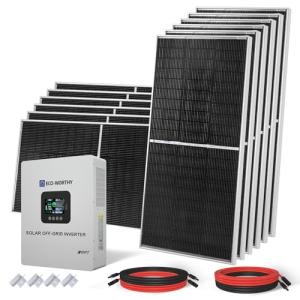
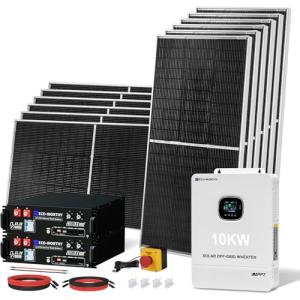
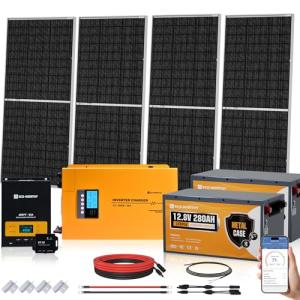
In a photovoltaic-powered HVAC setup, solar panels on your roof convert sunlight into direct current (DC) electricity. An inverter converts that to the alternating current (AC) your home's electrical system uses. That electricity then powers your heat pump, air handler, or air conditioning unit just like grid electricity would — except it's coming from your roof instead of the utility. If you add battery storage to the system, excess daytime generation can be stored and used to power your HVAC at night or during cloudy periods.
In a solar thermal setup, specially designed collectors — typically mounted on the roof — absorb the sun's heat energy directly. That thermal energy heats water or a fluid medium, which then circulates to a radiant floor heating system, radiators, or a storage tank. Solar thermal systems are particularly well-suited for home heating in climates with cold winters and moderate solar access.
Many of the most effective systems sold today are hybrids, using PV panels to power a heat pump (which is far more efficient than resistance heating) while integrating smart controls that can prioritize solar-generated power, draw from battery storage when available, and fall back to the grid seamlessly when needed.
Choosing the Right Solar HVAC System for Your Home
Shopping for a solar HVAC system isn't one-size-fits-all, and the best choice depends on several factors specific to your situation.
Your climate matters enormously. Homes in hot, sunny climates may prioritize solar-powered air conditioning and focus on PV-powered heat pump systems. Homes in mixed climates with significant heating loads might benefit more from solar thermal or a hybrid approach. Cold-climate homes with good solar access can often do very well with a modern cold-climate heat pump paired with a well-sized PV array.
Your home's existing infrastructure also plays a role. Ducted homes can often integrate solar HVAC with existing air handler equipment. Homes without ductwork — older construction, additions, or spaces that were never ducted — are often excellent candidates for solar mini-split systems, which require no ductwork and allow room-by-room control.
Roof characteristics, local net metering policies, utility rate structures, available incentives in your state, and your household's specific comfort priorities all factor into the decision. A qualified solar HVAC installer in your area can perform a load calculation, assess your home's solar potential, and help you model different scenarios before you commit.
What to Look for in Solar HVAC Products
When browsing this category, there are several things worth paying attention to as you evaluate specific products and systems.
System efficiency ratings tell you a lot. For air conditioning and heat pump functions, look at SEER2 ratings (Seasonal Energy Efficiency Ratio) — higher numbers indicate better efficiency. For heating performance, HSPF2 ratings apply to heat pumps. For solar panels themselves, efficiency percentage and temperature coefficient matter for how well they'll perform in real-world conditions, including hot summer days when panels can get quite warm.
Warranty coverage is another important consideration. Quality solar HVAC equipment typically comes with strong product warranties on panels, inverters, compressors, and other major components. Understand what's covered and for how long before purchasing.
Smart controls and compatibility with home automation systems are increasingly standard on quality equipment, and they matter for solar HVAC specifically because the ability to shift energy-intensive operations to peak solar production hours — pre-cooling the home in the afternoon, for example — can significantly increase the financial benefit of the solar pairing.
Finally, professional installation is non-negotiable with these systems. Proper sizing, electrical work, refrigerant handling, and commissioning require licensed professionals, and your warranty and any applicable incentives will typically require documentation of licensed installation.
Solar HVAC and the Bigger Picture
There's a broader context worth acknowledging. Heating and cooling buildings is one of the largest sources of energy consumption in the United States, and much of that energy still comes from fossil fuels — either burned directly in furnaces and boilers or consumed at power plants to generate the electricity that runs electric HVAC equipment.
Solar HVAC systems change that equation at the household level. Every home that powers its heating and cooling from solar panels is drawing less from the grid during peak demand periods, reducing strain on utility infrastructure, and contributing less to the emissions associated with electricity generation. At scale — across millions of homes — that adds up to something significant.
For individual homeowners, the motivation might be purely economic, or it might be environmental, or some combination of both. Whatever your starting point, the technology has matured to the point where solar HVAC is a serious, practical choice for a wide range of American homes — not a niche experiment or a compromise on comfort.