Air purifiers are a must-have for anyone who wants cleaner, fresher air in their home. These handy devices help to filter out dust, pollen, pet dander, and other allergens, making it easier for you to breathe, especially if you have allergies or asthma. With so many options out there, you can find the perfect air purifier to fit your needs and keep your indoor air quality in check.
Air Purifiers
Breathe easier with our top-rated air purifiers that keep your home fresh and clean
Product List
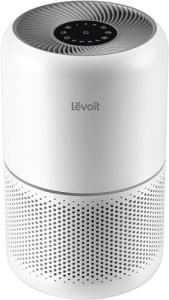
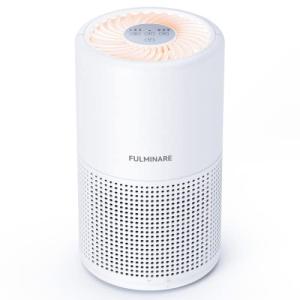
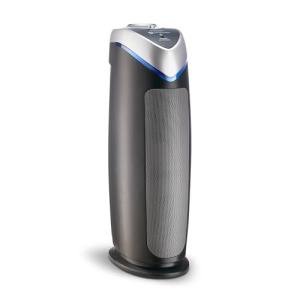
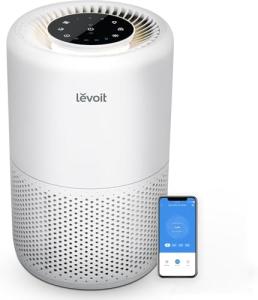
GermGuardian Large Room Air Purifier
Product Review Score
4.92 out of 5 stars
207 reviews$99.99 $89.99
How Air Purifiers Actually Work
Not all air purifiers are built the same, and understanding the basics helps you spend your money wisely.
HEPA filtration is the gold standard. HEPA stands for High-Efficiency Particulate Air, and a true HEPA filter captures at least 99.97% of airborne particles as small as 0.3 microns. That includes most allergens, dust, mold spores, and even some bacteria. If you have allergies or asthma, HEPA is non-negotiable.
Activated carbon filters handle what HEPA can't — specifically gases, odors, and VOCs. Smoke, cooking smells, chemical fumes, and pet odors get trapped in the porous carbon material rather than circulated back into the room. Many modern air purifiers combine HEPA and carbon filtration in a single unit for comprehensive coverage.
UV-C light is sometimes added as a third layer. It works by exposing air to ultraviolet light that damages the DNA of bacteria and viruses, essentially neutralizing them. It's a useful bonus, but it shouldn't be the only filtration technology in a unit you're relying on for allergy or asthma management.
Ionizers and plasma technology emit charged ions that attach to particles and cause them to fall out of the air or stick to surfaces. They can be effective, but some ionizers produce trace amounts of ozone as a byproduct — which is itself an irritant. Look for units that are ozone-certified safe, especially if you have respiratory sensitivities.
Pre-filters are the unsung heroes. They catch larger particles like hair and lint before they reach the HEPA filter, extending the life of the more expensive filter inside.
What to Look For When Buying an Air Purifier
Room Size and CADR Rating
The single most important spec to check before buying is the CADR — Clean Air Delivery Rate. This number, measured in cubic feet per minute (CFM), tells you how quickly a purifier can clean the air in a given space. The higher the CADR, the faster the unit cycles clean air through the room.
As a rule of thumb, match the purifier's recommended room size to the square footage of the space you want to treat. Buying a unit rated for 200 square feet and putting it in a 500-square-foot open-concept living room is a waste of money — it'll run constantly without making a real dent.
For bedrooms, a unit rated for the room size plus a 20–30% buffer is a smart move. You'll be able to run it on a lower, quieter setting while still maintaining clean air overnight.
Filter Replacement Costs
The sticker price of the unit is only part of the equation. Filter replacement costs vary widely — some brands have proprietary filters that run $60–$100 every 6 to 12 months, while others use more affordable replacements on a longer cycle. Before you buy, look up the cost and availability of replacement filters. A "cheap" air purifier with expensive filters will cost you more over time than a mid-range unit with affordable parts.
Noise Level
Air purifiers run constantly, which means noise matters — especially in bedrooms. Look for decibel ratings at each fan speed. Most quality units run between 25 and 50 dB on their lower settings, which is roughly the range from a library whisper to a quiet conversation. On high speed, some units get noticeably loud, which is fine if you're running them during the day but less ideal at night.
Many newer models include a dedicated sleep mode that drops fan speed and dims indicator lights automatically after dark.
Smart Features and Connectivity
Smart air purifiers have come a long way. Top models now include built-in air quality sensors that automatically adjust fan speed based on real-time particle counts in the room. Others connect to apps that let you monitor air quality, schedule operation, and track filter life from your phone.
If you're building out a smart home, look for units that integrate with Amazon Alexa, Google Home, or Apple HomeKit. Voice control is a small convenience, but the real value is in the auto mode — letting the purifier respond dynamically to air quality without you having to touch it.
Best Air Purifiers by Use Case
For Allergies and Asthma
If seasonal allergies are your main concern, a true HEPA purifier is your best ally. Look for units specifically tested and certified for allergen reduction — some brands carry the Asthma and Allergy Foundation of America (AAFA) certification seal, which adds credibility to their allergen-reduction claims. Place the unit in the room where you spend the most time, typically the bedroom, and run it continuously on auto mode.
For Pet Owners
Pet dander is one of the most persistent allergens in American homes, and it gets everywhere — upholstered furniture, bedding, carpet fibers. A purifier with both HEPA filtration and a robust activated carbon layer will tackle both dander particles and that distinctive pet smell. Larger households with multiple pets may benefit from running units in more than one room.
For Smoke — Wildfire, Cigarette, or Cooking
Smoke particles are tiny and stubborn. Wildfire smoke in particular has surged as a concern across large parts of the western United States, with smoky air increasingly arriving in regions that never used to worry about it. For smoke, you want a high CADR combined with a substantial activated carbon filter. Thin carbon layers in budget units get saturated quickly when smoke is heavy and stop working effectively within days.
For cigarette smoke or cooking odors, the same logic applies. Don't be fooled by low-grade carbon filters marketed as "odor control" — check how much carbon is actually in the filter, measured in pounds or grams. More carbon means longer odor-removal performance.
For Large Open Spaces
Open floor plans and large living areas need either one powerful unit or multiple smaller ones placed strategically. Some manufacturers offer larger console-style purifiers designed for spaces up to 1,500 square feet or more. These tend to be heavier and louder on high settings, but they move serious air volume. For very large spaces, two mid-range units placed at opposite ends of the room often outperform a single large unit, since they create better air circulation patterns.
For Small Rooms and Offices
Desktop and compact units are ideal for home offices, nurseries, and dorm rooms. They're lighter, quieter, and significantly less expensive. While they won't tackle a full house, they're excellent for targeted protection in a specific spot where you spend hours at a time.
Understanding Air Quality Certifications
When shopping, you'll see a few certifications come up repeatedly. Here's what they actually mean:
ENERGY STAR means the unit meets EPA efficiency standards for energy consumption. Air purifiers run around the clock, so efficiency genuinely matters for your electricity bill. ENERGY STAR-certified models use significantly less energy than non-certified units at comparable performance levels.
CARB Compliance (California Air Resources Board) means the unit has been tested and confirmed to produce safe ozone levels. This certification matters especially if you're considering an ionizer or any unit with ozone-generating technology.
AAFA Certification (Asthma and Allergy Foundation of America) is a voluntary third-party certification indicating the product has been tested and found effective for reducing specific allergens. It's a meaningful endorsement, not just a marketing badge.
Placement and Maintenance Tips
An air purifier is only as good as its placement and upkeep.
Put it where you breathe. The bedroom is often the highest-priority room because you spend six to eight hours there unconscious and vulnerable. If you can only afford one unit, put it in the bedroom.
Keep it away from walls and corners. Air purifiers need airflow on all sides to function efficiently. Keep at least a foot or two of clearance around the unit.
Don't neglect the pre-filter. Most pre-filters can be vacuumed or rinsed every few weeks, which dramatically extends the life of the main HEPA filter. It takes two minutes and can save you real money on filter replacements.
Replace filters on schedule. HEPA filters don't stop working overnight — they degrade gradually. A clogged filter forces the motor to work harder, reduces airflow, and eventually starts pushing particles back into the room. Set a calendar reminder for filter checks every six months.
Run it continuously. This is the habit shift that surprises most first-time buyers. Air purifiers work by constantly cycling air through the filter — turn it off and air quality degrades within hours. Most modern units on auto mode or low speed cost only pennies a day to run.
How Much Should You Spend?
Air purifiers range from under $50 to well over $1,000. Here's a rough breakdown of what you get at each tier:
Under $100 — Compact units suitable for single rooms up to roughly 150 square feet. Basic HEPA filtration, minimal features, louder at higher speeds. Perfectly adequate for a small bedroom or office.
$100–$250 — The sweet spot for most households. True HEPA with activated carbon, CADR ratings for mid-sized rooms, decent smart features, and quieter operation. This range covers the majority of everyday needs well.
$250–$500 — Premium performance, larger room coverage, advanced sensors, app connectivity, quieter motors, and often better-designed filter systems. Worth the investment for households with serious allergy or asthma concerns, or for main living areas.
$500 and above — High-end units with whole-room coverage, medical-grade filtration, or specialized capabilities like advanced VOC removal. Recommended for immunocompromised individuals, homes with severe mold issues, or anyone rebuilding air quality after significant smoke damage.
Is an Air Purifier Worth It?
For most American homes, yes — especially if anyone in the household has allergies, asthma, or respiratory sensitivities. Even in homes without those concerns, air purifiers reduce the buildup of dust, odors, and airborne contaminants that accumulate naturally in enclosed spaces.
The key is choosing the right unit for your actual space and needs, maintaining it consistently, and running it long enough to feel the difference. Most people who commit to keeping an air purifier running in their bedroom for 30 days report noticeably better sleep quality and fewer morning allergy symptoms.
Clean air isn't a luxury — it's something your lungs ask for every single day. A good air purifier is one of the more practical investments you can make for your family's health and comfort at home.