Looking to freshen up your indoor air? Ionizers are a fantastic choice for removing dust, pollen, and other pesky particles, making your space feel cleaner and healthier. They’re easy to use and perfect for anyone wanting to improve air quality without much fuss.
Ionizers
Breathe cleaner air and enjoy a fresher home with our top-rated ionizers
Product List
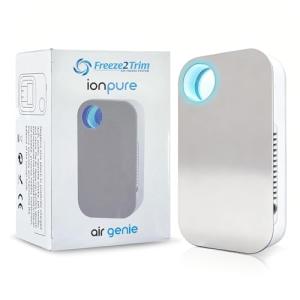
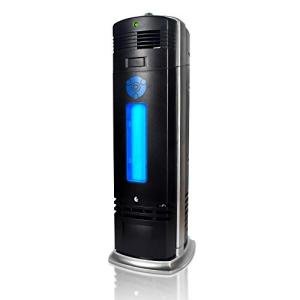
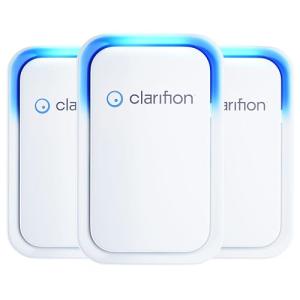
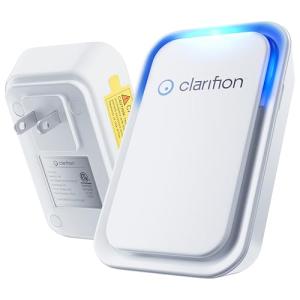
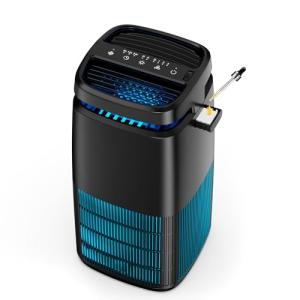
What Is an Air Ionizer and How Does It Work?
An air ionizer is a device that releases electrically charged molecules — called ions — into the air. These ions (typically negative ions) attach themselves to airborne particles like dust, pollen, mold spores, pet dander, smoke, and even some bacteria and viruses. Once charged, those particles become heavier and fall out of the air onto surfaces, or they get drawn back into the device itself through an electrostatic collection plate.
Think of it like this: pollution particles floating in your air are lightweight and invisible, drifting wherever the slightest air current takes them. An ionizer gives those particles a "weight" they didn't have before, essentially pulling them down and out of your breathing zone.
There are two main types of ionizer technology you'll encounter when shopping:
Needle-Point Ionizers use sharp metal tips to generate a high concentration of negative ions. These are extremely efficient at dispersing ions throughout a room and are commonly found in premium home and commercial units.
Electrostatic Precipitators combine ionization with a collection plate. The device charges particles and then captures them on an oppositely charged metal plate inside the unit. These require occasional cleaning of the plate but don't need filter replacements.
Many modern air ionizers also combine ionization with other technologies — HEPA filtration, activated carbon, UV-C light, or ozone generation — to create multi-stage air purification systems.
Key Benefits of Using an Air Ionizer
Removes Airborne Allergens
For the roughly 100 million Americans who suffer from allergies or asthma, airborne triggers like pollen, dust mites, and pet dander are a daily battle. Air ionizers target exactly these ultra-fine particles that standard air filters can miss. By charging and neutralizing these irritants, ionizers can significantly reduce the allergen load in your home — giving you noticeably easier breathing, especially during peak allergy seasons.
Neutralizes Odors and VOCs
Cooking smells, pet odors, tobacco smoke, chemical off-gassing from furniture and paint — these aren't just unpleasant, they can actively harm indoor air quality. Air ionizers tackle volatile organic compounds (VOCs) and odor-causing molecules at a molecular level, breaking down the compounds rather than simply masking them. This makes them particularly valuable in kitchens, bathrooms, basements, and any enclosed space prone to lingering smells.
Reduces Airborne Bacteria and Mold Spores
Multiple independent studies have found that negative ion exposure can reduce concentrations of airborne bacteria and mold spores. This is especially relevant in shared spaces — classrooms, offices, waiting rooms — where biological contaminants spread easily. High-quality ionizers with UV-C light integration take this a step further, actively neutralizing pathogens at the source.
Improves Mood and Mental Clarity
This one surprises a lot of people. Research published in scientific literature has consistently linked high concentrations of negative ions — the same type air ionizers produce — with improved mood, reduced stress, and better cognitive performance. Naturally occurring negative ions are abundant near waterfalls, ocean waves, and after rainstorms, which is one reason those environments feel so refreshing. An ionizer can bring some of that same energizing quality indoors.
Low Maintenance, Long-Term Savings
Unlike traditional HEPA air purifiers that require expensive filter replacements every few months, many air ionizers are nearly filterless. Electrostatic collection plates simply need to be wiped down periodically. This makes ionizers a more budget-friendly long-term solution for households watching their maintenance costs.
Air Ionizers vs. Air Purifiers: What's the Difference?
This is one of the most common questions shoppers ask, and it's a fair one. Here's the honest breakdown:
Air purifiers (particularly HEPA models) physically trap particles in a dense fiber filter as air passes through the device. They're highly effective at capturing particles down to 0.3 microns and are widely recommended by allergists and pulmonologists.
Air ionizers don't trap particles in a filter — they charge particles so they settle out of the air or stick to surfaces. They tend to cover larger areas, operate more quietly, and cost less over time. However, the particles they neutralize still end up on floors, furniture, and walls, meaning you may need to dust or vacuum more frequently.
The best of both worlds? Many manufacturers now produce hybrid units that combine a true HEPA filter with ionization technology. These units offer multi-layer protection — physically capturing larger particles while ionizing finer ones — and represent the current gold standard for whole-home air quality.
What to Look for When Buying an Air Ionizer
Shopping for an air ionizer can feel overwhelming given how many options are out there. Here are the most important factors to consider:
Room Coverage (Square Footage)
Every ionizer is designed to handle a specific room size, measured in square feet. A compact desktop unit might cover 150–300 sq ft — ideal for a bedroom or home office. Larger tower or whole-home models can handle 800 sq ft or more. Always match the device's stated coverage to your actual room size, and when in doubt, size up.
Ion Output
Measured in ions per cubic centimeter (ions/cc), higher ion output generally means faster and more thorough air treatment. Look for units producing at least 1 million ions/cc for meaningful results. Commercial-grade units can reach 100 million ions/cc or higher.
Ozone Levels
This is critical. Some ionizers — particularly older or cheaper models — produce ozone as a byproduct of ionization. While ozone at very low levels is harmless, elevated indoor ozone concentrations are a known lung irritant and can worsen asthma and other respiratory conditions. The EPA and California Air Resources Board (CARB) have established safety thresholds. Always look for units that are CARB-certified or explicitly marketed as "ozone-free." Reputable brands prominently display this information.
Noise Level
Ionizers are generally quieter than fan-based HEPA purifiers, but models do vary. Many high-quality units are essentially silent — a major advantage for bedrooms and meditation spaces. Check the decibel rating if noise sensitivity matters to you.
Additional Features
- Auto mode / air quality sensors: Automatically adjusts output based on real-time air quality readings
- Sleep mode: Dims indicator lights and reduces fan speed overnight
- Timer settings: Allows scheduled operation to save energy
- Filter-free design: Eliminates ongoing filter costs
- Smart home compatibility: Wi-Fi enabled models can be controlled via app or integrated with Alexa and Google Home
Certifications to Trust
Look for units carrying certifications from recognized bodies: Energy Star (energy efficiency), CARB certification (safe ozone output), UL listing (electrical safety), and endorsement from organizations like the Asthma and Allergy Foundation of America (AAFA).
Best Rooms and Spaces for Air Ionizers
Air ionizers are versatile enough to benefit virtually any indoor environment. Here's where they make the biggest impact:
Bedrooms: You spend 6–8 hours breathing deeply in your bedroom every night. An ionizer running while you sleep can dramatically reduce allergens, dust mites, and mold spores in your immediate environment — leading to better sleep quality and reduced morning congestion.
Living Rooms: High-traffic areas accumulate pet dander, tracked-in pollutants, and off-gassing from furniture. A mid-range tower ionizer is ideal for keeping the family's main gathering space fresh.
Home Offices: Poor air quality directly affects cognitive performance and energy levels. A desktop ionizer is a simple addition to any workspace that can help you stay sharper throughout the day.
Kitchens: Cooking generates grease particles, smoke, and strong odors. An ionizer placed near the cooking area (with adequate ventilation) helps neutralize airborne byproducts that range hoods often miss.
Basements: Moisture-prone and poorly ventilated, basements are prime territory for mold spores and musty odors. A robust ionizer with mold-fighting capability is a smart investment for finished or semi-finished basement spaces.
Children's Rooms and Nurseries: Children's developing respiratory systems are more sensitive to air pollutants. A certified, ozone-free ionizer provides an added layer of protection in spaces where your kids sleep and play.
Common Questions About Air Ionizers
Are air ionizers safe? Yes — when you choose a certified, ozone-free model. The key is to select units that comply with CARB standards and are explicitly labeled as producing no harmful ozone output. Negative ions themselves are completely safe and are naturally present in outdoor air.
How long should I run my air ionizer? Most manufacturers recommend running your ionizer continuously for best results, since air quality is constantly changing as you move around, cook, breathe, and bring in outside air. Many modern units are designed for 24/7 operation and are energy efficient enough that running costs are minimal.
How soon will I notice a difference? Many users report noticing cleaner, fresher air within a few hours of first use, particularly when it comes to odors. Allergen and particle reduction may take a day or two to become fully noticeable, especially in larger rooms.
Do air ionizers replace the need for vacuuming and dusting? No — ionizers settle particles onto surfaces rather than eliminating them entirely. Regular cleaning remains important. However, ionizers reduce the concentration of particles actively floating in the air, which is where the real health risk lies.
Is an Air Ionizer Right for You?
If you're looking for a low-maintenance, cost-effective way to improve indoor air quality — whether for health reasons, comfort, or odor control — an air ionizer is a compelling solution backed by decades of research and real-world use. The technology has matured considerably, and today's best models are safer, quieter, and more effective than ever before.
The key is doing your homework: match the unit to your room size, prioritize CARB-certified ozone-free models, and consider a hybrid ionizer/HEPA unit if you have serious allergy or asthma concerns. With the right choice, you'll be breathing noticeably cleaner air in no time.