Heat Recovery Ventilators (HRVs) are a game changer for keeping your home fresh and energy-efficient. They pull stale air out of your living space while bringing in clean outdoor air, all without losing heat. If you want to breathe easier and save on energy bills, an HRV is a smart investment for your home.
Heat Recovery Ventilators (HRV)
Discover how to enhance indoor air quality and energy efficiency with our top-rated heat recovery ventilators
Product List
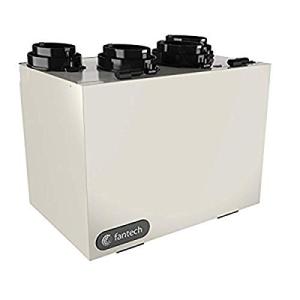
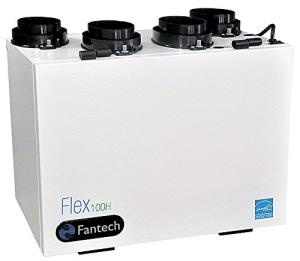
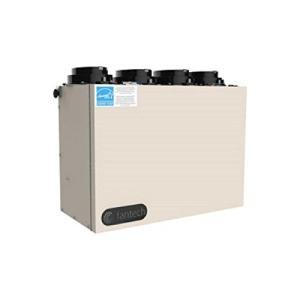
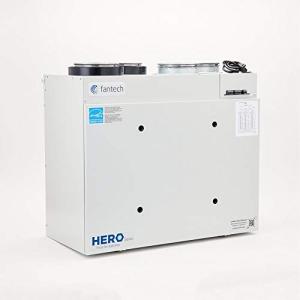
What Is a Heat Recovery Ventilator?
An HRV is a whole-home mechanical ventilation system that works in two directions at once. As stale, warm air is drawn out of your living spaces, it passes through a heat exchanger core. At the same time, fresh cold air is pulled in from outside and passes through the same core — but in a separate channel. The two airstreams never mix, but heat transfers between them. By the time the fresh outdoor air reaches your rooms, it has been pre-warmed using the energy that would otherwise have been thrown away.
In winter, this means you're not blasting cold air into your home every time you ventilate. In milder seasons, the process works in reverse, helping pre-cool incoming air using the cooler outgoing air. The result is consistent, comfortable ventilation year-round with dramatically reduced energy waste.
Most residential HRV units recover between 70% and 85% of the heat from outgoing air, depending on the model and conditions. High-performance units push even further. That efficiency is what sets HRVs apart from simply opening a window or running an exhaust fan.
How Does an HRV Work? The Core Mechanics Explained
At the heart of every HRV is its heat exchanger — a compact, precisely engineered component typically made from aluminum, polypropylene, or a specialized paper-based material. It contains dozens of narrow channels arranged so that exhaust and supply airstreams flow in close proximity without ever making direct contact.
Heat naturally moves from warmer material to cooler material. As the warm exhaust air flows through its channels, it heats the walls between it and the incoming fresh air stream. That energy transfers across — warming the fresh air before it enters your home. The stale air exits cold; the fresh air enters warm.
The fan unit pulls both streams simultaneously, maintaining a balance of air pressure throughout the house. Most systems are designed so that the volume of air coming in closely matches the volume going out, preventing either positive or negative pressure buildup, which can cause drafts, door-slamming, or moisture problems in the building envelope.
Modern HRVs also include filters on both the incoming and outgoing air paths. These capture dust, pollen, and particulates before they reach the heat exchanger or your living spaces, helping maintain air quality and protecting the unit's internal components.
HRV vs. ERV: Understanding the Difference
You'll often see Heat Recovery Ventilators listed alongside Energy Recovery Ventilators (ERVs). While they work on similar principles, there's an important distinction worth understanding before you buy.
An HRV transfers heat only. An ERV transfers both heat and moisture. In an ERV, the exchanger core is made from a moisture-permeable material, allowing water vapor to cross between airstreams along with the thermal energy.
Which one is right for you depends largely on your climate and how your home is used. In cold, dry climates, an ERV can help retain indoor humidity during winter — useful in regions where extremely dry air causes discomfort, wood cracking, and respiratory irritation. In humid climates, an HRV is often the better choice because it doesn't bring excess moisture indoors, helping to control humidity levels and reduce the risk of condensation and mold growth.
For most northern European and North American climates with cold winters and moderate-to-high humidity, an HRV is the standard recommendation. If you're unsure, a qualified HVAC professional can assess your home's specific moisture balance and recommend the right system.
The Health Benefits of HRV Ventilation
Indoor air quality is one of the most underappreciated aspects of home health. Modern buildings, sealed tightly against the elements, can accumulate a surprising range of pollutants: volatile organic compounds (VOCs) off-gassed from furniture and finishes, carbon dioxide from breathing, cooking fumes, pet dander, mold spores, radon gas seeping from the ground, and more.
An HRV addresses this by ensuring a constant, controlled exchange of air. Unlike spot ventilation — a bathroom fan or kitchen extractor that only runs occasionally — an HRV operates continuously and quietly in the background. It dilutes indoor pollutants with fresh outdoor air around the clock.
For households with allergy sufferers, the filtration stage of a quality HRV is particularly valuable. Incoming air passes through filters that trap pollen, dust, and other airborne particles before they ever enter the living space. Some units support HEPA-grade filtration for even finer particle removal.
Children, elderly residents, and anyone with asthma or respiratory sensitivities stand to benefit most from properly ventilated indoor air. There is a growing body of research linking chronic exposure to poor indoor air quality with fatigue, headaches, concentration difficulties, and long-term respiratory conditions. A well-functioning HRV is one of the most direct interventions you can make for the air quality inside your home.
Energy Efficiency and Cost Savings
It might seem counterintuitive that running an additional piece of mechanical equipment saves energy — but the numbers make the case clearly. In a poorly ventilated home, residents compensate by cracking windows or relying on uncontrolled air infiltration through gaps in the building fabric. Both approaches let conditioned air escape with no energy recovery whatsoever.
An HRV, by contrast, recaptures the majority of that thermal energy before it leaves the building. In a well-insulated home during a cold winter, the savings from not having to reheat incoming fresh air from scratch can be substantial — often outweighing the modest electrical consumption of the fans.
In the context of nearly zero-energy buildings, passive houses, and the growing emphasis on low-energy construction standards, HRVs are no longer a luxury feature — they're a code requirement or design necessity. Building standards in many countries now mandate mechanical ventilation with heat recovery in new residential construction precisely because the energy performance case is so well established.
Over the lifetime of a building, the difference in heating and cooling costs between an unventilated home and one with a quality HRV system can amount to thousands in savings, depending on energy prices and climate conditions.
Choosing the Right HRV: What to Look For
Selecting an HRV involves matching the unit's capacity and features to the size of your home, the number of occupants, and your specific climate. Here are the key factors to consider:
Airflow Capacity (CFM or m³/h): HRV units are rated by the volume of air they can move per hour. You'll need a unit sized appropriately for your home's floor area and the number of rooms being served. Undersizing leads to inadequate ventilation; oversizing wastes energy and can create uncomfortable drafts.
Heat Exchange Efficiency: Look for units with a sensible heat recovery efficiency of 75% or higher at typical operating temperatures. Premium units often achieve 80–85% or more. Pay attention to efficiency ratings at low temperatures (around 0°C / 32°F) as efficiency can drop in very cold conditions.
Defrost Mechanism: In cold climates, moisture in the outgoing air can freeze in the heat exchanger core, blocking airflow and reducing performance. Quality units include automatic defrost systems — either a recirculation mode, an electric element, or core bypass — to handle sub-zero conditions without manual intervention.
Noise Level: Since an HRV runs continuously, quiet operation matters. Look for units rated at 35 dB(A) or lower at typical operating speeds for installation in occupied areas.
Controls and Smart Integration: Modern HRV units offer programmable controls, humidity sensors, CO₂ sensors, and compatibility with smart home systems. These allow the unit to boost ventilation automatically when cooking, bathing, or when indoor air quality sensors detect elevated pollutant levels — then dial back when conditions improve.
Filter Access and Maintenance: Filters require regular cleaning or replacement — typically every three to six months depending on use and local air quality. Choose a unit with easily accessible filter compartments to make this routine task as straightforward as possible.
Installation and Ductwork
An HRV requires connection to your home's ductwork — either an existing forced-air system or a dedicated HRV duct network. Proper installation is critical. Poorly designed duct runs with sharp bends, insufficient insulation, or leaks can significantly reduce system performance and efficiency.
Key installation considerations include locating supply air diffusers in living areas and bedrooms, positioning exhaust pickups in kitchens, bathrooms, and utility spaces, and ensuring all outdoor air intakes and exhausts are properly placed to avoid short-circuiting (where exhaust air is immediately re-ingested).
In retrofit situations where no existing ductwork is present, mini-duct or slim-duct HRV solutions offer lower-profile options that can be installed with less disruption. For new construction, integrating HRV ductwork at the build stage is significantly easier and more cost-effective.
Professional installation by a certified HVAC technician ensures the system is balanced — meaning airflows in and out are equalized — and that the unit operates at its rated efficiency from day one.
Maintenance: Keeping Your HRV Running at Its Best
An HRV is a low-maintenance system, but it isn't no-maintenance. Regular attention to a few simple tasks keeps it performing efficiently year after year.
Filters should be inspected every three months and cleaned or replaced as needed. Most modern units use washable foam or electrostatic filters that can be rinsed under warm water and reinstalled once dry. The heat exchanger core itself should be inspected annually and cleaned gently if dust or debris has accumulated on the surfaces.
Condensate drains, where fitted, should be checked and cleared periodically. Exterior hoods and grilles should be inspected for blockages from leaves, insect nests, or ice in cold weather. Once a year, a full system check — including airflow balancing — ensures everything remains calibrated and performing as designed.
With basic care, a quality HRV unit will provide reliable, efficient ventilation for fifteen to twenty-five years or more.
Who Needs an HRV?
The short answer: anyone living or working in a well-insulated, reasonably airtight building benefits from an HRV. This includes:
- Owners of new-build homes constructed to modern energy efficiency standards
- Residents of older homes that have undergone significant insulation or draught-proofing upgrades
- Passive house and low-energy building occupants, for whom mechanical ventilation is essential
- Anyone experiencing condensation, mold, or humidity problems despite adequate heating
- Households with allergy, asthma, or respiratory health concerns
- Commercial and light-industrial premises where indoor air quality and energy management are operational priorities
If your home feels stuffy, smells stale despite regular cleaning, or shows signs of excessive condensation on windows and walls, poor ventilation is likely the culprit — and an HRV is one of the most effective long-term solutions available.
Browse Our Range of Heat Recovery Ventilators
Our selection of HRV units covers the full spectrum of residential and light commercial needs — from compact single-room units ideal for apartments and retrofit installations to whole-house systems designed for large family homes and high-performance builds. Every product in our range has been selected for proven heat exchange efficiency, reliable defrost performance, quiet operation, and ease of maintenance.
Whether you're building new, renovating, or simply ready to take control of your home's air quality, you'll find the right HRV here — backed by expert guidance and support to help you choose, install, and get the most from your system.