Humidifiers are a game changer for your home, especially when the air gets dry. They add moisture, making your space more comfortable and helping with dry skin, allergies, and even static electricity. Whether you're looking for a personal unit or something for the whole house, there's a humidifier that fits your needs perfectly.
Humidifiers
Breathe easier and enjoy a comfy home with the right humidifier for your needs
Product List
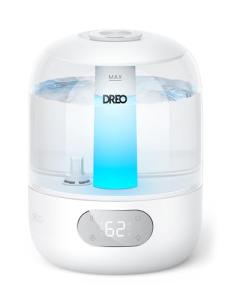
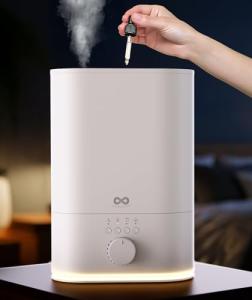
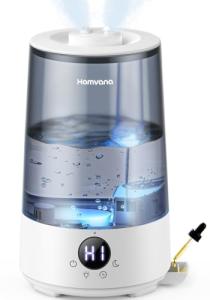
Homvana 3.6L Humidifier & Diffuser
Product Review Score
4.61 out of 5 stars
45 reviews$49.94 $29.98
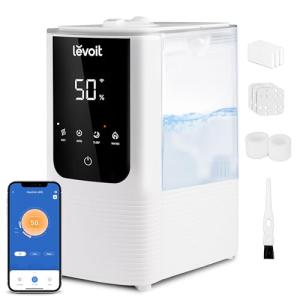
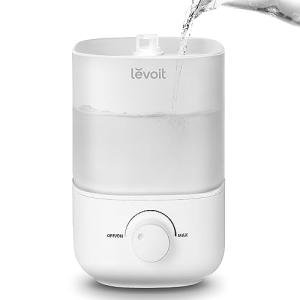
What Does a Humidifier Actually Do?
A humidifier adds moisture vapor back into the air inside your home. That's the simple version. The longer version is that most American homes — especially during fall and winter — run dangerously dry air indoors. When you fire up the furnace, it heats the air but doesn't add any moisture to it. The relative humidity drops, sometimes well below 30%, when the sweet spot for human health and home comfort is between 40% and 60%.
At low humidity, your body loses moisture faster than it should. Your sinuses dry out and become less effective at filtering germs. Your skin gets itchy and flaky. Your eyes feel irritated. Static electricity builds up on everything. And your wooden floors, furniture, and even musical instruments can crack or warp over time.
A humidifier solves this by releasing water vapor or mist into the room until the air reaches a more comfortable humidity level. Some units are designed for a single room; others are large enough to treat an entire floor or even a whole house.
Types of Humidifiers: Which One Is Right for You?
Not all humidifiers work the same way, and the differences matter more than most people realize. Here's a breakdown of the main types you'll find on the market.
Cool Mist Humidifiers
Cool mist humidifiers release room-temperature moisture into the air, making them a popular choice for families with children and pets. There's no heating element, so there's no risk of burns if someone accidentally touches the unit or knocks it over.
Within the cool mist category, there are two main technologies: ultrasonic and evaporative.
Ultrasonic humidifiers use a vibrating metal diaphragm to break water into an ultra-fine mist. They're extremely quiet — often near-silent — which makes them a great fit for bedrooms, nurseries, and home offices. The tradeoff is that if you use tap water, they can leave a faint white mineral dust on nearby surfaces. Using distilled water solves this.
Evaporative humidifiers work by blowing air through a wet wick filter, which naturally evaporates moisture into the room. They're self-regulating — the drier the air, the faster they evaporate; as humidity rises, evaporation slows down on its own. They require filter replacements over time, but they don't produce white dust and work well with regular tap water.
Warm Mist Humidifiers
Warm mist humidifiers (also called steam vaporizers) boil water internally and release warm steam into the room. The boiling process kills most bacteria and mold in the water before it reaches the air, which is a genuine health benefit. They also tend to run very quietly since there's no fan.
The downsides: they use more electricity than cool mist models, and the hot water inside is a burn hazard. For that reason, warm mist humidifiers are generally not recommended for homes with young children or pets. They're better suited for adult bedrooms or offices, particularly during cold and flu season when that germ-killing benefit really shines.
Whole-House Humidifiers
If you're tired of managing individual room units, a whole-house humidifier might be worth the investment. These systems install directly into your home's HVAC ductwork and humidify every room simultaneously. They connect to your water line, so you never refill a tank, and most work with your existing thermostat or a separate humidistat.
The installation cost is higher upfront, but whole-house models are low-maintenance, nearly invisible, and extremely efficient for homes over 1,500 square feet. They're especially popular in the Midwest and Northeast, where winters are long and heating systems run constantly.
Console and Tower Humidifiers
For medium to large rooms — think open-plan living areas, master bedrooms, or finished basements — console and tower humidifiers offer significantly more output than compact desktop units. They hold larger water tanks (often 1.5 to 3 gallons), run for longer between refills, and often include built-in humidistats and programmable settings. They're bigger and harder to move, but for serious coverage, they get the job done.
Key Features to Look for When Shopping
Once you've narrowed down the type, here are the features worth paying attention to.
Coverage Area and Output (Gallons Per Day)
Every humidifier lists an estimated coverage area in square feet. Take this number seriously but don't treat it as gospel — it assumes average ceiling height and moderate outdoor conditions. In very dry climates or during the depths of a harsh winter, you may need a unit rated slightly above your room size. Output measured in gallons per day gives you an honest sense of how hard the unit can work.
Built-In Humidistat
A humidistat measures the current humidity level in the room and allows the unit to automatically cycle on and off to maintain your target level. Without one, your humidifier just runs continuously — potentially over-humidifying the air, which creates its own problems (mold growth, condensation on windows). A built-in humidistat is one of the single most useful features you can buy.
Tank Size and Refill Frequency
Tank size determines how often you'll be hauling water. Small personal units might hold half a gallon and need daily refills. Larger room units often hold 1 to 2 gallons and can run for 24 hours or more. For bedrooms, a large tank means uninterrupted overnight operation. Look for wide-mouth openings that make filling and cleaning easier.
Noise Level
This matters more than people expect. Ultrasonic humidifiers are exceptionally quiet — under 30 decibels in most cases. Evaporative models with fans are louder, closer to 40–50 decibels depending on the speed setting. If you're a light sleeper or buying for a baby's nursery, noise level is worth reading reviews on carefully.
Auto Shutoff and Safety Features
Most quality humidifiers include an auto shutoff that kicks in when the tank runs empty. This protects the motor and prevents the unit from running dry. Some models also have tip-over protection, which is particularly important for households with children or pets.
Filter vs. Filterless Design
Evaporative humidifiers require regular wick filter replacements — typically every one to three months depending on water hardness and usage. This adds ongoing cost. Ultrasonic models are generally filterless but may include a demineralization cartridge that also needs periodic replacement. Factor in filter costs when comparing prices.
How to Keep Your Humidifier Clean and Running Well
Here's the part most people skip — and then wonder why their humidifier starts smelling weird or making people cough instead of helping them breathe.
Humidifiers that aren't maintained properly can harbor mold, bacteria, and mineral buildup, then blow all of that into your air. The EPA recommends cleaning your humidifier every three days during regular use. Here's a simple routine that actually works:
Daily: Empty any remaining water from the tank. Don't let water sit stagnant in the reservoir. Rinse and wipe down the tank before refilling.
Every 3 days: Do a deeper clean. Use white vinegar to dissolve mineral deposits in the tank and base — fill, soak for 20 to 30 minutes, then rinse thoroughly. Wipe down any surfaces that contact water.
Weekly: Disinfect with a diluted hydrogen peroxide or bleach solution (follow the manufacturer's instructions for your specific model). Rinse multiple times until no cleaning product smell remains.
Seasonally: When you store the humidifier at the end of the season, clean it thoroughly, let every part dry completely, and store it in a dry place. Starting the next season with a dirty, stored unit is a common mistake.
Using distilled or demineralized water instead of tap water dramatically reduces mineral buildup and extends the life of the unit — especially for ultrasonic models.
Humidifier Benefits: What the Research Says
The case for proper indoor humidity isn't just about comfort. Research consistently points to real health and home benefits.
Properly humidified air helps keep your nasal passages moist, which improves your body's natural defense against airborne viruses and bacteria. Some studies suggest that flu viruses survive less well in humid conditions — which may explain why flu season peaks in winter when indoor air is driest.
For people with asthma, allergies, or chronic sinus issues, a humidifier can meaningfully reduce symptom frequency. Dry air irritates already-inflamed airways; bringing humidity back to a healthy range provides relief without medication.
Skin health is another genuine benefit. Low humidity draws moisture out of your skin faster than it can be replenished, contributing to dry skin, eczema flares, and that tight, uncomfortable feeling you get in heated homes all winter. A humidifier can make a noticeable difference, especially overnight when your skin is doing most of its repair work.
For your home itself, maintaining humidity above 35% protects hardwood floors, wooden furniture, artwork, and musical instruments from cracking. Many piano technicians specifically recommend keeping instruments in rooms with stable, humidified conditions year-round.
Choosing the Right Humidifier for Your Space
Here's a practical summary to guide your decision:
For a single bedroom or nursery, a compact ultrasonic cool mist unit is usually the right call. Quiet, safe, easy to use, affordable.
For a living room or open floor plan, look at console or tower models with higher output and larger tanks. Evaporative or ultrasonic both work well at this scale.
For cold and flu season relief, a warm mist vaporizer offers the added benefit of boiled, cleaner steam and can be paired with medicated inhalants.
For a whole home, a ducted whole-house system is the most convenient long-term solution, especially for homes over 2,000 square feet.
For dry climate regions like the Mountain West, Southwest, or anywhere with hard winters, investing in a higher-capacity unit with a built-in humidistat pays off quickly in comfort and reduced maintenance.
Shop Humidifiers With Confidence
The right humidifier changes how your home feels — and how you feel in it. Less morning scratchiness, better sleep, healthier skin, and a living space that doesn't fight your body all winter long. With the right type, the right features, and a simple cleaning routine, a good humidifier lasts for years and earns its place as one of the most practical home health investments you can make.