Multi-split systems are a fantastic choice if you want to cool or heat multiple rooms without cramming in bulky equipment. They let you connect several indoor units to a single outdoor unit, saving space and keeping your home looking neat. Plus, with individual controls, you can set different temperatures for each room—perfect for family members with varying comfort needs.
Multi-Split Systems
Get efficient heating and cooling for multiple rooms with one easy-to-install system
Product List
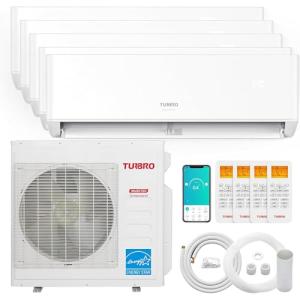
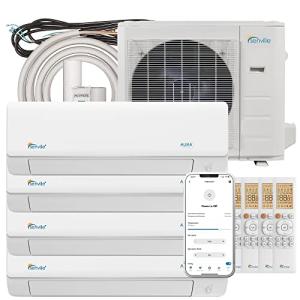
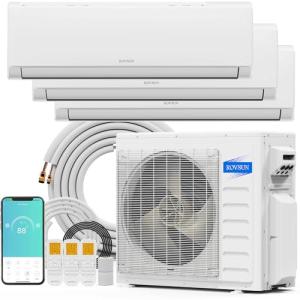
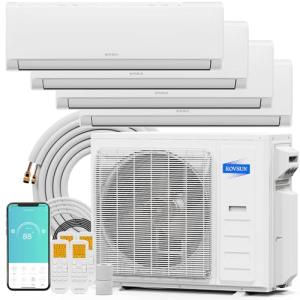
What Is a Multi-Split System?
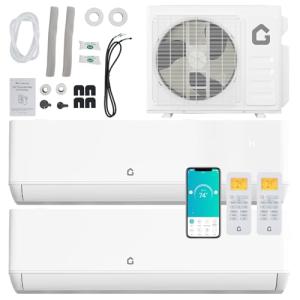
A multi-split air conditioning system connects a single outdoor unit to two or more indoor units, each placed in a different room or zone. Every indoor unit works independently, meaning you can set your bedroom to 20°C while the living room runs at 23°C, or simply turn off the unit in an unused guest room entirely. The outdoor compressor handles all of it.
Think of it like this: a traditional central air system is a single speaker blasting music through every room at once. A multi-split system is like giving each room its own speaker with its own volume control. The result is comfort that actually matches how people live — not how an HVAC engineer designed a duct layout in 1985.
Most residential multi-split systems support between two and eight indoor units connected to one outdoor condenser. The indoor units can be wall-mounted, ceiling-cassette, floor-standing, or even concealed ducted units — so you're not stuck with one aesthetic throughout the whole house.
How Multi-Split Systems Work
At their core, multi-split systems use the same refrigerant-cycle technology as any air conditioner. Refrigerant travels through insulated copper lines from the outdoor unit to each indoor unit. Inside, the refrigerant absorbs heat from the room air and transfers it outside (for cooling), or does the reverse (for heating, when the system includes a heat pump).
What separates modern multi-split systems from older technology is the inverter-driven compressor. Instead of switching on at full power and then shutting off completely — which causes temperature swings and wastes energy — an inverter compressor modulates its speed continuously. It ramps up when you need more cooling, slows down when the target temperature is nearly reached, and settles into a steady, efficient rhythm. This is why multi-split systems are so much quieter and so much cheaper to run than traditional on/off systems.
Because the outdoor unit is doing the heavy lifting outside, the indoor units produce very little noise — typically between 19 and 35 decibels, which is quieter than a whispered conversation.
Key Benefits of Multi-Split Systems
Independent Zone Control
This is the feature that wins people over immediately. Every indoor unit has its own thermostat and remote. The kitchen can be cooler while you're cooking. The home office can run all day while bedrooms stay off until evening. You're not conditioning space you're not using, which directly translates to lower energy bills.
No Ductwork Required
Installing traditional ducted air conditioning in an existing home is disruptive, expensive, and often impractical — especially in older buildings, apartments, or properties with limited ceiling space. Multi-split systems need only a small hole through an exterior wall (typically around 7–8 cm in diameter) to run the refrigerant lines. That's the extent of the structural work.
Energy Efficiency
Multi-split systems consistently outperform conventional air conditioning on efficiency. Ducted systems can lose up to 30–40% of their heating and cooling energy through duct leakage and heat transfer. Multi-split systems have no ducts, so that energy goes directly where it's supposed to. Combined with inverter technology, modern multi-split systems carry SEER2 ratings of 16 and above, with top-tier models from brands like Fujitsu exceeding SEER 33.
Year-Round Comfort
Most multi-split systems include heat pump functionality, making them a single solution for both summer cooling and winter heating. Modern heat pump multi-split systems can extract heat from outdoor air even when temperatures drop well below freezing — some models, like Mitsubishi's Hyper-Heating units, maintain effective operation at temperatures as low as -25°C.
Clean Air and Humidity Control
Multi-split indoor units filter the air as they run, capturing dust, allergens, and in some models, bacteria and viruses. Because inverter systems run continuously at low capacity rather than cycling on and off, they also dehumidify more consistently — a real advantage in humid climates or during spring and autumn shoulder seasons.
A Tidier Exterior
Because all indoor zones share a single outdoor unit, the exterior of your home stays cleaner. One compact condenser rather than multiple window units or separate outdoor units stacked on a wall.
Choosing the Right Multi-Split System: What to Look For
Number of Zones
Start by identifying how many rooms or areas you want to condition. Multi-split systems are typically sold as 2-zone, 3-zone, 4-zone, or higher configurations. Match the number of indoor units to the number of rooms — don't oversize the system expecting to add zones later unless the outdoor unit explicitly supports expansion.
BTU Sizing
Getting the capacity right is one of the most important decisions you'll make. Undersized systems run constantly and struggle to maintain comfort on hot days. Oversized systems short-cycle — they blast cold air, hit the target temperature too fast, shut off, and repeat. Short-cycling means higher humidity, more wear on components, and worse efficiency despite a bigger unit.
A general rule of thumb: allow approximately 6,000–7,000 BTU per 10 square metres of well-insulated living space, adjusting upward for high ceilings, large windows, south-facing rooms, or spaces with significant heat-generating equipment. Each indoor unit has its own BTU rating, and the outdoor unit must have sufficient total capacity to support all indoor units simultaneously — though in practice, not all zones run at full power at the same time.
When in doubt, have a qualified HVAC technician perform a proper load calculation. It takes about an hour and removes all the guesswork.
SEER2 and Efficiency Ratings
SEER2 (Seasonal Energy Efficiency Ratio 2) measures cooling efficiency under standardised real-world conditions. The higher the SEER2 rating, the less electricity the system uses to produce the same amount of cooling. For heating efficiency, look at HSPF2 (Heating Seasonal Performance Factor 2). A good baseline for a modern multi-split system is SEER2 16+ and HSPF2 8.5+, though premium systems now reach SEER2 20–33.
Every point of improvement in SEER2 translates to roughly a 4% reduction in seasonal cooling costs. Over the 15–20 year lifespan of a well-maintained system, the difference between a midrange and high-efficiency unit can add up to a substantial saving.
Refrigerant Type
Pay attention to the refrigerant used in any system you're considering. Older models run on R-410A, which is being phased out across many markets due to its high global warming potential. Newer systems increasingly use R-32, which has a significantly lower environmental impact, better thermal efficiency, and is becoming the industry standard. If you're buying a system that's meant to last 20 years, an R-32 unit is a more future-proof investment.
Indoor Unit Styles
Multi-split systems give you flexibility in how the indoor units look and function. The most common options are:
Wall-mounted units are the most popular — compact, sleek, and easy to install. They sit high on the wall and distribute air across the room.
Ceiling cassette units recess into a suspended ceiling and distribute air in four directions simultaneously, making them ideal for open-plan spaces or commercial rooms where wall space is limited.
Floor-standing units work well in rooms where wall mounting isn't practical or in spaces with floor-to-ceiling glazing.
Slim ducted units hide in a ceiling void and connect to small grilles, giving the room a completely clean appearance with no visible unit at all.
You can mix and match unit types within a single multi-split system — so if you want a wall unit in the bedroom, a cassette in the living room, and a slim ducted unit in the kitchen, one outdoor condenser can handle all three.
Smart Controls and Connectivity
Most modern multi-split systems can be controlled via smartphone app, allowing you to adjust temperatures, set schedules, and monitor energy use from anywhere. Many also integrate with Amazon Alexa, Google Assistant, and Apple HomeKit. If you manage multiple rooms or travel frequently, this feature is more than a convenience — it's a practical way to avoid conditioning empty rooms.
Multi-Split System Installation: What to Expect
Multi-split systems require professional installation in almost all cases. The work involves mounting and wiring the indoor units, positioning the outdoor unit (on a wall bracket or concrete pad), running the refrigerant lines, evacuating the system with a vacuum pump, and commissioning the entire setup.
The installation typically takes one to two days depending on the number of zones and the complexity of the refrigerant line routing. Running lines through walls or over long distances adds time. A competent installer will also verify that the system is correctly charged with refrigerant and that each zone performs as expected before finishing the job.
Costs vary significantly by region, brand, and system size. A two-zone system including professional installation typically falls in the range of €3,000–€7,000. Larger four-zone systems can run €8,000–€15,000 or more depending on the indoor unit types selected and the difficulty of installation.
Multi-Split vs. Single-Split: Which Do You Need?
If you only need to condition one room — a home office, a bedroom, a garage workshop — a single-split system (one outdoor unit, one indoor unit) is simpler and more affordable. Single-split systems are the right choice when the scope is clearly limited to one zone.
Multi-split systems make sense when you need comfort in two or more rooms, when your property has limited outdoor wall space for multiple condensers, or when you want a unified, professionally designed climate system for the whole home. The economies of scale are real: installing a four-zone multi-split is significantly cheaper than installing four separate single-split systems, and it's far less cluttered.
Maintenance: Keeping Your System Running Well
A multi-split system with proper maintenance should last 15–20 years, with premium brands regularly exceeding that. Keeping the system in good shape is straightforward:
Clean the indoor unit filters every two to four weeks during heavy use — most filters simply rinse clean under running water. Keep the outdoor unit clear of leaves, debris, and obstructions, with at least half a metre of clearance around it. Schedule a professional service check annually, where a technician will inspect refrigerant levels, clean the coils, check electrical connections, and ensure everything is running at peak efficiency.
Skipping maintenance is the fastest way to shorten the life of any HVAC system. A clogged filter alone can cause coil icing, reduced airflow, and compressor strain — all avoidable with fifteen minutes of attention every few weeks.
Is a Multi-Split System Right for You?
If you want genuine room-by-room temperature control, a cleaner exterior than multiple separate units would create, no ductwork to install, and a system efficient enough to meaningfully reduce your energy bills — multi-split is the answer. It works for apartments, family homes, older buildings, new builds, home extensions, and light commercial spaces alike.
The upfront investment is higher than a basic window unit or portable AC. But over the life of the system, the energy savings, the durability, and the day-to-day comfort make it one of the most cost-effective climate control decisions you can make for your home.